

EV Charger Installation in Birmingham, AL: Level 1 vs. Level 2 vs. Fast - What’s Right for Your Home?
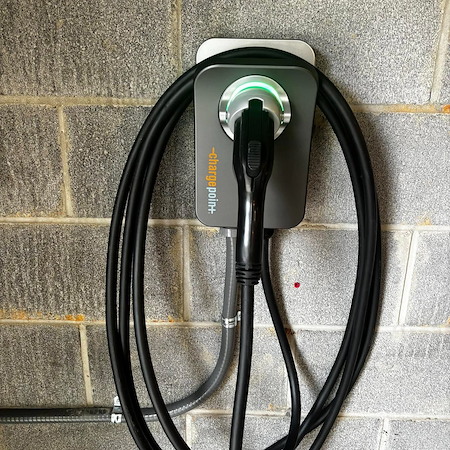
Bringing home an electric car in Birmingham is exciting, but choosing the right home charger can feel confusing. The best setup depends on your driving, your home’s electrical system, and where you park. This guide explains Level 1, Level 2, and DC fast charging in plain English and helps you decide what fits your life in neighborhoods like Hoover, Homewood, Vestavia Hills, and Mountain Brook. If you want a pro to look at your panel and parking layout, start with our ev charger installation page.
How Home EV Charging Works in Birmingham
Every EV can charge from a standard 120-volt household outlet. That is called Level 1. Many homeowners upgrade to a 240-volt circuit, which is Level 2. A dedicated circuit and quality wiring make charging faster and more reliable. In older homes around East Lake or Crestwood, panel capacity and wiring routes can matter just as much as the charger you pick.
Our summers are hot and humid, and thunderstorms roll through Jefferson and Shelby counties. Heat can slow charging as your car protects its battery, and storms can cause brief outages. A proper installation reduces nuisance trips and keeps your setup steady. If you want a simple starting point on services, learn more on our home page under ev charger installation.
Level 1, Level 2, And DC Fast: Plain-English Breakdown
Level 1: The Overnight Trickler
Level 1 uses a normal 120-volt outlet. It adds a small amount of range each hour, which can work if you drive only a few miles a day or have a plug-in hybrid. The upside is low cost and no panel changes in many cases. The downside is speed, especially if you commute across I-65 or I-459 and rack up miles.
Level 2: The Weeknight Workhorse
Level 2 uses a 240-volt circuit similar to an electric dryer. Most homeowners choose Level 2 because it refills an EV overnight and feels like having a private station in your garage or carport. With the right circuit and charger, many drivers in Trussville, Gardendale, Pelham, and Alabaster wake up to a full battery every morning.
DC Fast: Not A Typical Home Option
DC fast chargers are the big public units you see near highways and shopping centers. They need special equipment, high power, and utility coordination. They are great for road trips, but they are not a normal residential choice.
NEMA 14-50 Outlet Vs. Hardwired Wall Connector
Homeowners often ask whether to install a NEMA 14-50 outlet or a hardwired wall connector such as a Tesla Wall Connector. Each has a clear use case.
A NEMA 14-50 outlet is flexible. You plug in a portable Level 2 charger, and you can unplug it if you move. On a typical 50-amp circuit, many plug-in chargers limit charging to around 40 amps for continuous use. That is enough for most daily needs and is a popular choice for garages with multiple uses.
A hardwired wall connector is clean and permanent. It has a dedicated circuit, which helps with reliability and can allow higher charging rates depending on the charger and your panel. Cable management is easier and the unit is designed to live on the wall. If you prefer a set-it-and-forget-it setup or want to integrate load sharing for two EVs, hardwiring is often the better pick.
If you are updating other parts of your home’s electrical system at the same time, it can be efficient to have a residential electrician handle everything in one visit. That way your panel, charger, and any outdoor lighting or receptacles are planned together.
Panel Capacity, Load Management, And Safety
Your main electrical panel needs enough capacity for an EV charger plus everything else in the home. Some houses around older Birmingham neighborhoods still have smaller panels, while many newer builds in Hoover and Chelsea have larger ones. Load calculations show how much room you have for a new circuit and whether smart load management or a panel upgrade is wise.
Choose a licensed electrician to size the circuit correctly and to follow manufacturer instructions. EV chargers run for long periods, so terminations, wire gauge, and breaker selection matter. In garages, carports, or detached buildings, cable protection and weather-rated equipment may be important to keep your setup safe and dependable.
What Affects Installation In Birmingham Homes
Every home is different. Here are common factors that shape scope and timeline around Birmingham, AL:
- Distance from your panel to the charging spot, especially in detached garages or basement panels
- Garage construction such as brick, block, or finished drywall that may affect wire routing
- Parking layout in tight alleys or sloped driveways found in older neighborhoods
- Need for outdoor-rated equipment in carports or exposed walls
- Desire for surge protection to help during severe thunderstorms
- Wi-Fi coverage if your charger uses an app for scheduling and monitoring
If your parking is outside, consider charger placement to keep the cable off walkways. For long cable runs, proper conduit and support make daily use easier and help the installation age well.
Match The Charger To Your Driving Habits
Think about how you use your car during a normal week. Then pick the setup that meets your routine without overbuilding. Use this quick guide to choose:
- You drive less than 30 miles a day and can plug in overnight: Level 1 can work, Level 2 is a comfort upgrade.
- You commute across the metro or have frequent errands in Vestavia Hills, Mountain Brook, or Pelham: Level 2 is the sweet spot.
- You share one charger between two EVs: Hardwired Level 2 with load sharing is often best.
- You road trip often but charge at home each night: Level 2 at home plus public fast charging on trips.
For many families, a well-placed Level 2 charger turns the garage into your own fuel station. It saves time, and you start each day topped off.
NEMA 14-50 Or Hardwired For Specific EVs?
Tesla owners often favor a hardwired Tesla Wall Connector for convenience and charging speed potential, especially with longer daily drives. Many other EVs do well on either a NEMA 14-50 with a portable EVSE or a brand-specific wall unit. If you plan to add a second EV within a year or two, consider a hardwired option with load sharing so both cars can charge overnight without manual juggling.
Avoid overloading your panel by plugging portable chargers into random garage outlets that may share circuits with freezers, power tools, or outdoor receptacles. A dedicated circuit keeps things simple and helps prevent nuisance breaker trips.
Weather, Materials, And Long-Term Reliability
Birmingham’s humidity and temperature swings mean outdoor equipment should be rated for the environment. In carports and open parking pads, weather-resistant enclosures and tight, well-sealed conduit entries help. Brick and block walls common in older homes often need careful drilling and anchors to mount a charger securely. In crawlspace homes, routing under floors can be smart to keep the garage walls neater.
Skip DIY. EV chargers seem simple, yet small mistakes around conductor size, breaker type, and torque can create heat and reduce equipment life. A clean, code-followed install pays you back every day you plug in.
Smart Features That Make Life Easier
Many Level 2 chargers include Wi-Fi or Bluetooth apps for scheduling and energy tracking. You can set a routine so the car finishes charging before your morning commute. If your utility offers time-based rates, schedules can help you charge during lower-demand hours. Even without special rates, it is nice to check status on your phone when storms pass through at night.
Some wall connectors offer load sharing. That allows two chargers to communicate and split power so both cars get what they need without upgrading the panel right away. It is a practical bridge for growing EV households.
Future-Proofing For Second EVs And Solar
If you think you will add another EV, talk about conduit size, pull strings, and wall space now. It is easier to route a little extra capacity while walls are open. If you are considering solar later, leaving room in the panel and planning charger placement helps everything work together.
Plan for future EVs even if you only have one today. A small amount of planning now can save time and disruption down the road.
Professional Installation You Can Trust
Dr. Electric serves homeowners throughout Birmingham and nearby communities with careful, right-sized installations. We look at your panel, parking, and driving routine, then recommend the simplest solution that fits your goals. If your project includes other electrical updates, our team can coordinate lighting, receptacles, and safety devices so it all works as one system.
Running a small business or managing a fleet? Ask about workplace charging that supports employees and customers. Our commercial team can help plan circuits and equipment sizing, starting with a conversation on our commercial electrician page.
Real-World Scenarios Around Birmingham
Garage in Homewood with a narrow driveway: a hardwired wall connector with a shorter cable keeps the walk path clear and tidy. Detached garage in Crestwood: a NEMA 14-50 with a surface-mounted conduit run can be a flexible first step, with room to hardwire later. New build in Hoover with a 200-amp panel: running a dedicated 240-volt circuit during construction makes for a clean, hidden install.
If your garage shares outlets with a freezer or tools, a dedicated EV circuit avoids nuisance trips. For carports or exposed parking, weather-rated gear and neat conduit protect the equipment from rain and sun.
What To Expect During A Visit
Here is a typical process. First, we look at your panel and major appliances to estimate available capacity. Next, we confirm the charger location, cable reach, and mounting surface. Then we map a tidy route for the circuit that avoids door swings and clutter. After installation, we test, label, and walk you through the basics of everyday use and app features if your charger has them.
If you need broader home updates while we are there, you can explore services on our residential electrician page. Coordinating tasks often reduces return visits and keeps your project moving.
Talk With A Local Electrician In Birmingham
Ready to make charging easy at home? Visit our ev charger installation page, or call 205-601-1602 to talk with a friendly pro at Dr. Electric. We will review your panel, parking, and driving habits, then recommend a simple plan that fits your life in Birmingham, AL.
Contact Our Electrician In Birmingham & Surrounding Areas